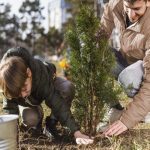
Urban areas often face a challenge: limited space but a growing need for green, healthy landscapes. Trees play a vital role in improving air quality, reducing noise, and beautifying streets, parks, and properties. But planting trees in dense environments—or moving mature trees to new locations—requires more than just a shovel. It takes planning, equipment, and expertise.
At Northeastern Tree Service, we provide professional tree moving and planting services across Rhode Island, Massachusetts, and Connecticut. Our team helps homeowners, businesses, and municipalities bring greenery to urban settings while ensuring trees thrive in their new environments.
Why Tree Planting Matters in Urban Areas
Urban landscapes are often dominated by concrete, buildings, and roadways. Trees bring balance to these spaces by offering environmental and community benefits such as:
• Cooling neighborhoods with shade during hot summers
• Filtering air pollutants and improving oxygen levels
• Heavy equipment accidents
• Reducing stormwater runoff and soil erosion
• Increasing property values and enhancing curb appeal
• Creating inviting spaces for residents, employees, and visitors
By planting the right trees in the right locations, property owners contribute to healthier, more livable communities.
The Challenges of Planting Trees in Cities
Unlike rural or suburban properties, urban areas come with unique obstacles. Limited soil space, compacted ground, underground utilities, and overhead wires all complicate planting. Choosing tree species that can adapt to these conditions is essential.
Northeastern Tree Service evaluates each site carefully, taking into account soil health, available space, and environmental stressors. This ensures trees are planted in locations where they can grow successfully for years to come.
The Art and Science of Tree Moving
Sometimes, it’s not just about planting new trees—it’s about relocating existing ones. Mature trees add instant beauty and value, but moving them safely requires expertise.
Professional tree moving involves specialized equipment designed to lift, transport, and replant trees without damaging their root systems. This service is often used when:
• Construction projects require trees to be relocated instead of removed
• Homeowners want to reposition trees for better shade or aesthetics
• Communities aim to preserve historic or significant trees
By working with professionals, property owners ensure the tree survives and continues to thrive in its new location.
Benefits of Professional Tree Moving and Planting
1. Preserves Valuable Trees
Instead of cutting down mature trees during development, relocation allows them to remain part of the landscape.
2. Enhances Property Value
Adding or preserving trees creates immediate visual appeal and increases overall property value.
3. Promotes Sustainability
Relocating and replanting reduces waste and supports eco-friendly practices by preserving existing greenery.
4. Provides Expert Guidance
Certified arborists can recommend the best species for specific environments and ensure proper planting techniques.
Residential and Commercial Tree Projects
Northeastern Tree Service provides residential and commercial services tailored to each client’s needs.
• Homeowners may want to move a favorite tree to a better spot or add new plantings for shade and beauty.
• Businesses can enhance entrances, parking lots, and campuses with strategic landscaping.
• Municipalities benefit from tree planting in parks, along sidewalks, and near community centers.
Each project is handled with care, ensuring trees are planted or relocated safely and sustainably.
How Tree Planting Supports Long-Term Growth
Planting or moving a tree is just the beginning. Aftercare is critical to ensure long-term success. Proper watering, mulching, and soil management play important roles, especially in urban environments where stress factors are high.
Pairing planting with plant health care services gives trees the best chance to adapt and thrive. Fertilization, pest management, and soil treatments help newly planted or relocated trees establish strong root systems.
Planning for the Seasons
Urban trees face harsh seasonal challenges in New England, from summer droughts to icy winters. By planting at the right time of year and preparing trees for seasonal changes, Northeastern Tree Service ensures long-lasting results. Fall and spring are often ideal planting seasons, while winter may be the right time for relocation projects when trees are dormant.
Why Choose Northeastern Tree Service
Tree planting and moving are not one-size-fits-all projects. Every site, species, and client goal requires careful planning. With decades of experience and advanced equipment, Northeastern Tree Service provides reliable, professional care that transforms urban landscapes.
Our team of tree care professionals understands the balance between community development and environmental preservation. By choosing us, you gain a partner committed to safe, sustainable solutions.
Conclusion
Tree moving and planting are powerful ways to improve urban landscapes, preserve valuable greenery, and create healthier communities. With professional expertise, property owners can ensure that new and relocated trees thrive for generations.
Contact Northeastern Tree Service today to learn more about tree moving and planting services across Rhode Island, Massachusetts, and Connecticut.
Frequently Asked Questions
Why is it important to plant more trees in urban areas?
Planting more trees in urban areas helps reduce heat, improve air quality, and create healthier living spaces.
How can urban planning include tree planting to improve the quality of life in cities?
Urban planning can add trees along streets, parks, and public spaces to make cities greener, and more comfortable for everyone.
Why is proper planning necessary before planting trees in urban areas?
Proper planning ensures trees are planted in the right spots, grow safely without damaging structures, and stay healthy for many years.
When is the best time to move a tree?
The best time is during dormant seasons—late fall or early spring—when the tree is less stressed.
How do arborists keep roots safe during moving?
We use root-balling, wrapping, and special lifting tools to protect roots during transport.