When most people think of stormwater management, they picture drains, gutters, or retention ponds. Yet one of the most powerful tools for controlling runoff and preventing flooding is already part of your landscape: trees.
Trees are not only beautiful features of a property—they are living infrastructure. Their canopies, trunks, and root systems all work together to slow rainfall, filter pollutants, and stabilize soil. At Northeastern Tree Service, we help property owners across Rhode Island, Massachusetts, and Connecticut understand how tree care connects to sustainable water management.
How Trees Reduce Runoff and Protect Property
Stormwater becomes a problem when rain hits the ground too quickly, overwhelming soil and drainage systems. Trees help by slowing, redirecting, and absorbing water naturally.
Rainfall Interception
The canopy of a tree acts like an umbrella, catching raindrops and reducing the amount of water that reaches the ground at once. This limits the force of rainfall and reduces immediate runoff.
Increased Infiltration
Tree roots create natural channels in the soil, allowing rainwater to soak into the ground instead of pooling or flowing across surfaces. This improves groundwater recharge and prevents standing water after storms.
Soil Stabilization
Roots also anchor soil in place, reducing erosion on slopes, driveways, and construction-disturbed ground. This is especially important in urban or commercial areas where loose soil is common.
Pollutant Filtration
Runoff often carries chemicals, oils, and debris. Trees act as filters, absorbing many pollutants before they reach rivers, ponds, or groundwater sources.
Risks of Tree Loss in Developed Areas
In urban and suburban neighborhoods, tree loss can worsen stormwater issues. When mature trees are removed without replacement, problems like these often follow:
• Flooding during heavy rains
• Clogged storm drains from excess silt and debris
• Soil erosion near foundations, sidewalks, and driveways
• Extra pressure on municipal stormwater systems
A single large tree can intercept hundreds of gallons of rainwater every year. Replacing that capacity with artificial solutions is costly and often less effective.
Supporting Stormwater Management With Professional Tree Care
Healthy, well-maintained trees provide far more stormwater benefits than stressed or damaged ones. That is why routine care makes such a difference.
Northeastern Tree Service offers:
• Tree pruning to remove weak limbs and balance canopies for better water interception
• Plant health care to improve soil quality and strengthen root systems
• Cabling and bracing for trees at risk of splitting or failing during storms
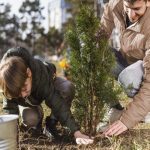
• Tree removal when hazards exist, with guidance on replanting to restore stormwater benefits
By combining these services, property owners keep trees resilient and effective as part of a stormwater management strategy.
Residential and Commercial Benefits
Both residential and commercial properties benefit from stormwater-friendly landscapes.
• Homeowners enjoy reduced flooding and erosion around yards, foundations, and driveways.
• Businesses protect parking lots, walkways, and structures from costly water damage.
• Municipalities save money by easing the burden on stormwater infrastructure.
Well-planned tree care adds value across every property type while also protecting community resources.
Integrating Trees Into Sustainable Planning
Stormwater management is a growing concern in many New England communities, especially with stronger storms and heavier rainfall events. Developers and municipalities are now turning to natural solutions alongside engineered ones. Trees are cost-effective partners in this effort.
By planting the right species in the right places, properties benefit from decades of natural water control. For example:
• Street trees can intercept runoff before it reaches storm drains.
• Riparian plantings stabilize riverbanks and protect water quality.
• Commercial landscapes designed with shade trees improve both drainage and aesthetics.
At Northeastern Tree Service, we partner with homeowners, businesses, and communities to include trees as part of broader water management plans.
Seasonal Considerations for Stormwater Benefits
The benefits of trees vary throughout the year, making seasonal care important.
• Spring: Pruning and soil care prepare trees for new growth, strengthening their ability to intercept rain.
• Summer: Plant health care protects against pests and drought stress, which can weaken roots and reduce absorption.
• Fall: Structural pruning and fertilization help trees handle the weight of autumn rains and prepare for dormancy.
• Winter: Inspections and emergency tree service address damage from snow and ice that might compromise stormwater performance.
By treating trees as active stormwater tools, seasonal maintenance becomes part of property protection.
Why Choose Northeastern Tree Service
Not every tree company has the experience to connect tree care with stormwater management. At Northeastern Tree Service, our certified arborists understand how to maintain trees as functional infrastructure. With decades of experience across Rhode Island, Massachusetts, and Connecticut, we help clients protect both their properties and the environment.
Our reputation as trusted tree care professionals is built on reliable service, modern equipment, and sustainable practices.
Conclusion
Stormwater management doesn’t just happen underground—it begins with the trees above. From intercepting rainfall to stabilizing soil, trees are natural systems that protect property and reduce flooding risks.
Contact Northeastern Tree Service today to learn how professional tree care can strengthen your stormwater management strategy and safeguard your property year-round.