Urban environments offer unique challenges for trees. Limited soil space, compacted ground, heat from pavement, air pollution, and constant foot traffic all create conditions that many species simply can’t tolerate. Yet, when the right trees are chosen and planted properly, they transform urban spaces—providing shade, beauty, cleaner air, and long-term environmental benefits.
Choosing the best trees for urban planting requires more than picking a species that looks appealing. It involves understanding how different trees respond to restricted root zones, drought, pollution, and varying soil types. For property owners, cities, and commercial developments across New England, this decision affects the long-term health of the landscape and the stability of surrounding infrastructure.
A thoughtful tree selection process helps ensure that newly planted trees don’t just survive but thrive. From Rhode Island’s busy downtown sidewalks to Massachusetts’ commercial corridors and Connecticut’s mixed-use districts, selecting resilient species and planting them correctly is essential. Urban trees often face tough conditions, but with the right strategy and professional guidance, they can become some of the strongest assets to any landscape.
Why Urban Tree Selection Matters
Urban trees play important roles in public spaces and private properties. They improve air quality, reduce heat, support local ecosystems, and boost curb appeal. However, the wrong species in the wrong location can lead to costly issues, including sidewalk damage, premature decline, or frequent maintenance needs.
A strategic selection process ensures:
• Better long-term tree health
• Reduced maintenance costs
• Improved safety and structural stability
• Stronger environmental benefits
• Better compatibility with urban infrastructure
By understanding what trees need—and what urban environments lack—property owners can make informed decisions that save time, money, and frustration later.
Key Considerations When Choosing Trees for Urban Areas
Soil Conditions
Urban soils are often compacted, shallow, or nutrient-poor. Trees that can tolerate these conditions are better suited to city environments. Deep-rooted species may struggle, while those with adaptable root systems often perform better.
Available Space
Urban planting often takes place in restricted spaces such as:
• Sidewalk cutouts
• Parking lot islands
• Narrow medians
• Courtyard spaces
• Commercial entryways
The mature size of the tree must match the available space. A tree that grows too large can cause damage to sidewalks, buildings, or overhead wires.
Pollution Tolerance
Traffic-heavy areas introduce exhaust, chemical runoff, and salt from winter road treatments. Urban-tolerant species can handle these stressors better than sensitive varieties.
Growth Rate and Maintenance Needs
Some trees grow quickly but require more pruning. Others grow slowly but offer long-term stability. A balanced approach ensures safety and reduces maintenance costs.
Professional planting services help evaluate these conditions and recommend species that match the landscape. Learn more about expert planting here.
Best Trees for Urban Planting in New England
New England’s climate presents additional challenges, including cold winters, heat waves, and occasional drought conditions. The following species are known for performing well in urban environments across Rhode Island, Massachusetts, and Connecticut.
Honeylocust
Honeylocust trees are incredibly adaptable and tolerant of pollution, compacted soil, and drought. Their filtered shade allows grass and other plants to grow beneath them.
Red Maple
A popular choice due to its vibrant fall color and ability to thrive in varying soil conditions. Red Maples do well in city parks, commercial campuses, and residential neighborhoods.
Ginkgo
Ginkgo trees are extremely resilient and resistant to disease, pests, and pollution. Their unique fan-shaped leaves add interest to urban streetscapes.
Serviceberry
For smaller urban spaces, Serviceberry trees provide beautiful spring blooms, berries for wildlife, and excellent tolerance to city conditions.
Japanese Zelkova
This species is often used as a replacement for American Elm due to its similar vase shape and strong resistance to Dutch Elm Disease.
Eastern Redbud
Redbuds add color and visual appeal to urban landscapes and tolerate partially shaded locations, making them ideal near buildings.
Oak Varieties
Certain oak species, such as Swamp White Oak and Bur Oak, handle urban stress well and grow into strong, long-lived shade trees.
Working with an arborist ensures each species is matched properly to the site conditions and space limitations.
The Importance of Proper Planting Techniques
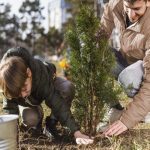
Even the best species won’t thrive if planted incorrectly. Urban planting requires precision and experience, especially in tight spaces.
Professional planting includes:
• Evaluating soil and drainage conditions
• Amending soil to support healthy root development
• Ensuring proper planting depth
• Providing adequate space for future growth
• Implementing mulching and watering plans
• Avoiding girdling roots during installation
Improper planting is one of the leading causes of early tree failure, especially in urban landscapes. Northeastern Tree Service ensures every tree is positioned and supported correctly for long-term success.
How Maintenance Supports Urban Tree Health
Urban trees require ongoing care due to their challenging environment. Regular maintenance helps manage growth, improves root health, and reduces hazards.
Pruning for Structure and Safety
Proper pruning supports balanced growth, reduces the risk of limb failure, and helps trees withstand storms. More on professional pruning can be found here.
Soil and Root Care
Urban soils often need aeration, nutrient supplements, and ongoing monitoring. Plant health care programs address these issues.
Protection Against Mechanical Damage
Vehicles, lawn equipment, and foot traffic frequently damage bark and roots. Barriers and mulching rings help prevent these issues.
Monitoring for Disease and Pests
Early detection is essential, as urban trees are more vulnerable to stress-related decline.
The Role of Professionals in Urban Tree Selection
Choosing the right urban tree species requires knowledge of biology, soil science, and urban design. Certified arborists evaluate property goals, environmental factors, and space limitations to recommend trees that will thrive.
Professionals also help property owners:
• Plan long-term landscape development
• Avoid conflicts with utilities and infrastructure
• Minimize maintenance costs
• Ensure safe, stable growth
Urban planting is both an art and a science. Partnering with experts ensures your investment grows stronger year after year.
Conclusion
Urban landscapes may present challenges, but with the right species, proper planting techniques, and ongoing care, trees can flourish even in the toughest environments. By selecting resilient species and working with experienced arborists, property owners create healthier, more beautiful spaces that benefit communities for decades.
To explore urban tree planting options or schedule a consultation, contact Northeastern Tree Service today.