Trees play an essential role in the health of our environment. They filter pollutants, produce oxygen, store carbon, stabilize soil, and support wildlife. Because of this, tree removal—although sometimes necessary—can feel like a loss not only to the property but to the ecosystem around it. Yet in many cases, removal is the safest or most responsible decision, especially when a tree is diseased, dead, or structurally unsafe.
The key is understanding how to reduce the environmental impact of tree removal and replace what is lost. Just as important as identifying when a tree must come down is choosing eco-friendly methods that support sustainability. With thoughtful planning, recycling practices, and strategic replanting, property owners can offset the environmental impact and even strengthen the long-term health of their landscape.
Northeastern Tree Service takes a comprehensive approach to sustainability through green waste recycling, responsible removal practices, and replanting strategies that give landscapes new life. By learning how tree removal affects the environment—and how to mitigate those effects—you can make confident, environmentally conscious decisions for your property.
Why Tree Removal Has Environmental Consequences
Even when removal is necessary for safety, it comes with ecological costs. Understanding these impacts helps guide better, more sustainable choices.
Loss of Carbon Storage
Trees naturally store carbon throughout their lifetime. Removing a mature tree means eliminating a significant carbon sink.
Reduction in Habitat
Birds, insects, and small mammals rely on trees for shelter and food. Losing a tree impacts local wildlife.
Increased Soil Erosion
Tree roots anchor soil and prevent runoff. Removal can leave soil exposed, which increases erosion risk—especially after heavy rain.
Reduction of Shade and Cooling
Trees help reduce heat by providing shade and releasing moisture. Removing shade trees can raise temperatures around buildings and hardscapes.
Decreased Air and Water Quality Benefits
Fewer trees mean less filtration of pollutants and stormwater, reducing overall environmental resilience.
While these impacts are inevitable, they can be minimized when removal is approached thoughtfully and sustainably.
When Tree Removal Is Environmentally Responsible
Not all removals harm the ecosystem—many prevent greater environmental damage in the long run.
Responsible reasons for tree removal include:
- Trees that are dead or dying
- Dangerous structural weaknesses
- Root systems damaging utilities or foundations
- Severe pest or disease infestations
- Storm-damaged trees
- Invasive species that threaten native plants
A declining or unstable tree can pose safety hazards, spread disease, or cause costly property and environmental damage if left in place. Removal prevents these issues and creates space for healthier trees to grow.
For safe and professional removal services, visit: https://www.northeasterntree.com/service/tree-removal/
Eco-Friendly Tree Removal Practices
Sustainability doesn’t end when the tree comes down. Modern arborists use a variety of environmentally conscious methods to reduce waste and preserve natural resources.
Green Waste Recycling
One of the most impactful ways to offset removal is through recycling. Instead of sending tree materials to landfills, green waste recycling transforms wood, branches, and debris into useful products.
Recycled materials can be converted into:
- Mulch
- Compost
- Wood chips
- Reclaimed lumber
- Biofuel
- Playground surfacing
Northeastern Tree Service offers comprehensive green waste recycling solutions to ensure materials are reused responsibly.
Habitat Preservation
Even removed wood can support ecosystems. In some cases, large sections of trunk can be repurposed into:
- Habitat logs for wildlife
- Erosion control features
- Natural play structures
- Garden edging
This approach allows trees to continue benefiting the environment in new ways.
Low-Impact Equipment Use
Eco-friendly removal methods prioritize minimal disturbance to the soil and surrounding vegetation. Skilled arborists use equipment strategically to reduce compaction and protect nearby trees.
On-Site Repurposing
Whenever possible, mulch created from removed trees can be used on the same property, returning nutrients to the soil and supporting overall landscape health.
The Importance of Tree Replanting
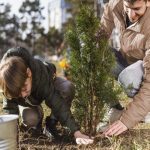
Replanting is one of the most effective ways to offset the environmental impact of removal. A well-chosen replacement tree can restore lost benefits and improve landscape biodiversity.
Choosing the Right Replacement Tree
Selecting an appropriate species is essential for long-term success. Factors to consider include:
- Soil type
- Sunlight availability
- Space constraints
- Climate and hardiness
- Growth rate
- Resistance to pests and disease
Native species are often the best choice because they support wildlife and adapt well to local conditions.
Professional guidance helps ensure the right species is chosen for the right location. Learn more here: https://www.northeasterntree.com/service/tree-moving-planting/
Planting Multiple Younger Trees
In some cases, planting several younger trees can provide even greater environmental benefit than the original mature tree. Over time, these trees increase biodiversity and help the landscape become more resilient.
Timing Matters
The best times to plant in New England are spring and fall, when temperatures are cooler and rainfall supports root establishment.
Supporting Sustainability Through Plant Health Care
Preventing unnecessary tree removals is one of the most environmentally friendly strategies available. Healthy trees live longer, support ecosystems, and provide greater environmental benefits.
Plant health care programs help:
- Strengthen tree immunity
- Improve soil quality
- Prevent disease
- Manage pests
- Reduce storm vulnerability
By investing in routine health care, property owners can extend the life of mature trees and avoid premature removal. Learn more here: https://www.northeasterntree.com/service/plant-health-care/
Balancing Safety and Sustainability
Some property owners hesitate to remove a dangerous tree because of environmental concerns. However, safety cannot be overlooked. A failing tree poses risks to property, utilities, and human life.
A balanced approach focuses on:
- Removing only what is necessary
- Recycling and repurposing materials
- Replanting thoughtfully
- Using arborist-approved methods
Sustainable tree care considers the full life cycle of each tree, ensuring that removals are offset with responsible practices.
How Businesses Can Reduce Environmental Impact
Commercial properties often remove trees during construction, renovation, or expansion. With planning, businesses can significantly reduce environmental loss through:
- Comprehensive pre-construction tree assessments
- Selecting which trees to preserve
- Protecting root zones during development
- Implementing mandatory replanting plans
- Using recycled mulch from removed trees
Businesses benefit from healthier landscapes, improved public perception, and stronger environmental compliance.
Conclusion
Tree removal may sometimes be unavoidable, but it does not have to carry a heavy environmental cost. By choosing sustainable practices—such as green waste recycling, careful removal methods, and strategic replanting—property owners can offset the ecological effects and create a healthier, more resilient landscape.
If you’re considering tree removal and want to explore environmentally friendly options, schedule a consultation with Northeastern Tree Service today.