Outdoor living spaces have become a major focus for homeowners across New England. Patios, decks, fire pits, and outdoor kitchens are no longer luxuries—they’re extensions of the home. And in many cases, trees play a central role in these spaces by providing shade, privacy, and natural beauty.
But while trees enhance outdoor environments, they can also introduce risks if they’re not properly maintained. Branches growing too close to structures, root systems interfering with hardscapes, and falling debris can all impact the safety and longevity of your investment.
Understanding how to approach tree care in outdoor spaces helps homeowners strike the right balance between aesthetics and safety. With the right strategy, you can enjoy your yard without worrying about preventable damage.
Why Trees Are Valuable in Outdoor Spaces
Well-maintained trees add significant value to outdoor living areas.
Benefits include:
- Natural shade that reduces heat
- Increased privacy
- Improved curb appeal
- Wind protection
- A more comfortable environment for entertaining
In the summer months, shade trees can lower temperatures around patios by several degrees, making outdoor spaces more usable during peak heat.
However, without proper planning and maintenance, those same trees can create structural and safety challenges.
Common Tree-Related Issues Around Patios and Decks
Overhanging Branches
Branches extending over patios or seating areas can drop leaves, sap, or debris. During storms, these limbs may break and fall, creating safety hazards.
Root Interference
Tree roots can shift or damage:
- Paver patios
- Concrete slabs
- Retaining walls
- Walkways
As roots expand, they can lift surfaces and create uneven areas.
Excessive Shade
While shade is beneficial, too much can prevent grass or plants from growing and create damp conditions that lead to mold or mildew on surfaces.
Pest Activity
Trees located too close to outdoor living areas can increase exposure to insects, including ants, caterpillars, and other pests.
Proper Tree Placement Matters
If you’re designing or upgrading an outdoor space, tree placement should be part of the planning process.
Consider:
- Distance from structures
- Mature canopy size
- Root spread potential
- Sunlight patterns
- Wind exposure
Trees that are too close to patios or decks may eventually require heavy pruning or removal.
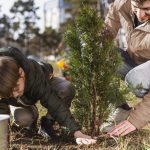
If adjustments are needed, tree relocation may be an option:
https://www.northeasterntree.com/service/tree-moving-planting/
Pruning for Safety and Functionality
Regular pruning is one of the most effective ways to manage trees around outdoor spaces.
Strategic trimming helps:
- Remove overhanging branches
- Improve airflow
- Reduce debris drop
- Maintain safe clearance from structures
- Balance canopy weight
Professional pruning ensures cuts are made correctly without damaging the tree:
https://www.northeasterntree.com/service/tree-pruning/
Managing Root Systems Near Hardscapes
Root systems are often overlooked until they cause visible problems. Once roots begin lifting patios or walkways, repairs can be costly.
To minimize root-related issues:
- Avoid planting large trees too close to hardscapes
- Monitor soil conditions and root growth
- Address drainage issues early
- Consider root barriers when appropriate
If damage has already occurred, a professional evaluation can determine the best solution.
Reducing Debris and Maintenance
Trees naturally shed leaves, twigs, and seeds. While this is part of their lifecycle, excessive debris can impact outdoor usability.
To manage debris:
- Schedule seasonal pruning
- Remove dead or weak branches
- Keep trees structurally balanced
- Maintain healthy growth patterns
Routine maintenance reduces cleanup and keeps outdoor spaces functional.
Preventing Storm Damage
Outdoor living areas are especially vulnerable during summer storms. Trees located near patios or decks can pose a risk if branches break or entire trees become unstable.
Preventative steps include:
- Removing dead or hazardous limbs
- Thinning dense canopies
- Inspecting trees for structural weaknesses
- Addressing leaning or root instability
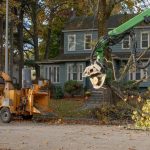
If a tree becomes hazardous, removal may be necessary to protect the space:
https://www.northeasterntree.com/service/tree-removal/
Creating a Balanced Landscape
The goal isn’t to remove trees—it’s to integrate them into your outdoor design safely.
A balanced approach includes:
- Maintaining appropriate spacing
- Selecting suitable tree species
- Managing growth through pruning
- Monitoring health regularly
When trees and outdoor features are planned together, the result is both functional and visually appealing.
Supporting Tree Health Near Outdoor Spaces
Trees near patios and decks often face additional stress due to:
- Compacted soil from foot traffic
- Limited root space
- Heat reflection from hard surfaces
- Reduced water absorption
Supporting tree health helps prevent decline and reduces maintenance issues.
Plant health care services can improve soil conditions and root strength:
https://www.northeasterntree.com/service/plant-health-care/
When to Schedule a Professional Inspection
If you’re unsure whether your trees are safe around your outdoor space, it’s worth scheduling an inspection.
Look for warning signs such as:
- Branches extending over seating areas
- Cracks or splits in major limbs
- Uneven canopy growth
- Visible root interference
- Signs of decay or pest activity
A professional assessment provides clarity and helps you avoid future problems.
The Value of Proactive Maintenance
Maintaining trees around outdoor living spaces isn’t just about preventing damage—it’s about preserving your investment.
Benefits of proactive care include:
- Reduced repair costs
- Increased safety
- Improved appearance
- Longer lifespan for both trees and structures
- More enjoyable outdoor experiences
Addressing issues early is always more cost-effective than reacting to damage later.
Why Professional Tree Care Matters
Tree care around structures requires precision. Improper trimming or root disturbance can cause long-term issues.
Certified arborists ensure:
- Safe pruning practices
- Proper equipment use
- Accurate risk assessment
- Long-term tree health planning
Learn more about North Eastern Tree’s team here:
https://www.northeasterntree.com/about-us/
Conclusion
Trees play an important role in outdoor living spaces, providing shade, beauty, and comfort. But without proper care, they can also create risks that impact safety and property value. By managing canopy growth, monitoring root systems, and scheduling regular maintenance, homeowners can enjoy their outdoor spaces without concern.
If you want to ensure your trees are safe and well-maintained around your patio or backyard, contact North Eastern Tree today:
https://www.northeasterntree.com/contact-us/
A well-planned approach keeps your outdoor space both beautiful and secure all season long.