Dead or Just Stressed? Why It Matters
Trees don’t always die quickly. In fact, many trees in distress will continue to grow leaves or look “mostly okay” on the surface while struggling internally. Learning how to identify early warning signs could mean the difference between saving a valuable tree and needing emergency removal.
At Northeastern Tree Service, we help property owners across Rhode Island, Massachusetts, and Connecticut evaluate the health of their trees and create care plans that fit their landscape and budget.
Common Signs a Tree May Be Dying
1. Sparse or Thinning Canopy
A healthy tree should have a full, dense canopy in spring and summer. If you notice bare patches, fewer leaves than usual, or delayed leaf-out in spring, that could indicate root or vascular issues.
2. Peeling or Cracked Bark
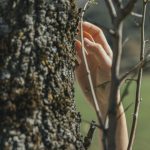
Flaking, splitting, or falling bark is often a symptom of internal decay or disease. In many species, bark protects the tree from pests and moisture loss—so its condition matters.
3. Mushrooms at the Base
Fungal growth around the root flare or trunk is often a red flag for internal rot. While some fungi are harmless, many indicate significant decay within the tree structure.
4. Large Dead Branches
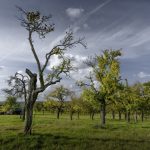
Deadwood in the canopy, especially large limbs with no foliage during peak season, is a sign the tree may be shutting down certain areas to conserve energy.
5. Leaning or Shifting Structure
If your tree is starting to lean more than usual, or if roots are exposed or cracked, it could signal structural instability—something that needs urgent attention.
When to Call in a Professional
Not every tree showing stress is beyond saving. Our ISA Certified Arborists can perform an on-site inspection to:
• Identify disease or pest issues
• Recommend pruning, treatment, or soil amendments
• Determine if cabling and bracing could help stabilize the tree
• Assess the need for tree removal if safety is a concern
We also offer plant health care programs to boost a tree’s resilience and help it recover from stress.
Don’t Wait Until It Falls
Trees in decline can become dangerous quickly—especially during storms or strong wind events. A dying tree may not seem urgent until it’s already damaged a roof, car, or powerline. If you suspect something’s wrong, early intervention is the safest choice.
We work with residential, commercial, and utility clients to inspect and manage trees across New England.
Schedule a Tree Health Evaluation Today
If you’re asking yourself whether a tree is worth saving—or whether it’s safe to leave standing—it’s time to get expert eyes on it. Northeastern Tree Service has been helping property owners make informed decisions for over 40 years.
Serving Rhode Island, Massachusetts, and Connecticut
Contact us for an inspection or quote, and get clarity about the future of your trees.
Frequently Asked Questions
Can North Eastern Tree Service save a dying tree?
Yes. If the damage is not severe, North Eastern Tree Service can help with pruning, disease treatment, soil care, and proper watering plans.
How to determine if a tree is dying?
A tree may be dying if it has dead branches, cracked or peeling bark, fewer leaves, or yellow and brown leaves. North Eastern Tree Service can inspect the tree and confirm its condition.
How can I check a tree for signs of life?
Check if the branches bend instead of snapping and look for green tissue under the bark. If there are leaves, buds, or new growth, the tree is still alive.
When should a dying tree be removed?
If the tree is leaning, hollow, severely cracked, or close to a home or power lines, Our team of tree experts may recommend safe removal.
Why should I hire North Eastern Tree Service?
North Eastern Tree Service has trained arborists who properly inspect trees and provide safe, reliable tree care and removal solutions.