Trees bring tremendous value to any property, from offering shade and natural beauty to improving air quality and boosting curb appeal. Yet despite these benefits, many homeowners and property managers treat tree care as an occasional task rather than a routine responsibility. The truth is that regular tree maintenance is one of the most effective and cost-saving investments you can make in your landscape.
New England’s climate places significant stress on trees. Hot summers, heavy snowfall, winter storms, and seasonal winds all create conditions that can weaken branches, damage roots, or introduce disease. Without a consistent tree maintenance schedule, issues often go unnoticed until they become emergencies. By committing to routine care, property owners safeguard both their trees and their property from preventable problems.
Regular tree maintenance isn’t just about aesthetics—it’s about safety, longevity, and smart planning. Whether you manage a commercial campus, care for your family home, or oversee residential properties, a structured maintenance program ensures your landscape stays healthy and resilient year-round.
Why Regular Tree Maintenance Matters
Many tree problems develop quietly. A cracked limb might look stable until heavy snow makes it snap. Root damage may not show symptoms until a summer drought causes sudden decline. By performing regular maintenance, homeowners and businesses get ahead of these silent warning signs.
Consistent maintenance matters because it:
• Improves tree structure and long-term stability
• Prevents hazardous limbs from falling
• Identifies disease or pest problems early
• Supports healthy growth through seasonal changes
• Reduces the risk of emergency removals
• Protects buildings, vehicles, and outdoor spaces
When a certified arborist monitors your trees consistently, you avoid the guesswork and stress that come with unexpected issues. Instead of reacting to damage, you stay ahead of it.
What Regular Tree Maintenance Includes
Routine tree care goes beyond occasional trimming. It involves a combination of services designed to support tree health, improve safety, and protect property.
Trimming and Pruning
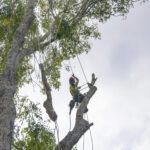
Regular trimming removes deadwood, balances the canopy, and improves tree airflow and sunlight penetration. Pruning also encourages growth in the right areas and strengthens the tree’s overall structure. Explore pruning options at:
https://www.northeasterntree.com/service/tree-pruning/
Plant Health Care
Healthy trees start with strong roots and nutrient-rich soil. Plant health care programs address issues like poor soil quality, nutrient deficiencies, pests, and diseases. These treatments help trees thrive and withstand environmental stress. Learn more here:
https://www.northeasterntree.com/service/plant-health-care/
Cabling and Bracing
Some trees develop weak branch unions or structural imbalances. Cabling and bracing provide essential support, helping prevent limb failure and extending a tree’s life. Details available at:
https://www.northeasterntree.com/service/cabling-bracing/
Risk Assessment
Routine inspections allow arborists to identify hazards before they become severe. This includes spotting cavities, cracks, unstable limbs, decay, or compromised root systems.
Tree Removal When Necessary
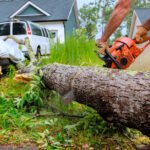
While the goal of maintenance is preservation, some trees become unsafe or unsalvageable. Removing a failing tree before it falls prevents injury or costly property damage. Removal services:
https://www.northeasterntree.com/service/tree-removal/
Stump Grinding
After removals, grinding the stump prevents trip hazards, pest infestations, and regrowth. It also restores usable lawn space:
https://www.northeasterntree.com/service/stump-grinding/
Even tasks that seem simple, such as debris removal or shaping, make a significant difference in long-term tree health when performed regularly.
The Hidden Financial Benefits of Regular Tree Maintenance
Tree maintenance is often viewed as an expense—but it’s actually a cost-saving strategy.
Prevents Expensive Damage
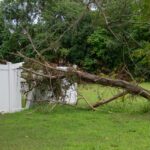
Falling limbs can damage cars, roofs, gutters, fences, and power lines. A single storm-damaged limb can cost far more to repair than the price of routine maintenance.
Reduces Emergency Calls
New England storms are unpredictable. Strong winds, lightning, and heavy snow can quickly turn weakened trees into hazards. With regular maintenance, the risk of emergency service dramatically decreases. But if emergencies do occur, Northeastern Tree Service provides 24/7 support:
https://www.northeasterntree.com/service/emergency-tree-service/
Extends Tree Lifespan
Trees that are pruned regularly, monitored for disease, and supported with plant health care live significantly longer. This saves property owners thousands of dollars in replacement costs.
Improves Property Value
Healthy, well-kept trees boost a home or business’s market value. Buyers and visitors notice when a landscape is cared for consistently.
Routine care pays for itself many times over by reducing risk, extending tree life, and improving overall property value.
Safety Benefits for Homes and Businesses
Regular tree maintenance is also essential for safety. A neglected tree may look stable but could be compromised internally. Routine inspections reveal weak limbs, internal decay, or root instability long before a failure occurs.
For Homeowners
Trees near driveways, walkways, and play areas need special attention. Regular maintenance keeps families, pets, and visitors safe.
For Commercial Properties
Businesses face liability risks when trees are not properly maintained. A fallen limb in a parking lot or on a walkway can create expensive legal or insurance issues. Northeastern Tree Service supports business owners with comprehensive commercial care plans:
https://www.northeasterntree.com/commercial/
How Routine Maintenance Supports Healthy Growth
Trees grow continuously, even when you don’t notice. Over time, unmanaged growth can cause imbalance, canopy overcrowding, or competition among branches. Regular maintenance ensures trees have the space, structure, and resources to grow properly.
Benefits include:
• Better air circulation
• Reduced risk of fungal disease
• Stronger branch unions
• Improved sunlight exposure
• More attractive, balanced shape
Whether you’re preparing for spring growth or recovering from winter storms, a structured maintenance plan supports year-round health.
Building a Tree Maintenance Schedule
Every property is unique, so tree maintenance should be tailored to location, species, soil conditions, and past care. An arborist will evaluate your landscape and recommend a schedule that may include annual inspections, seasonal pruning, plant health care treatments, or structural support.
To start creating a personalized maintenance plan, visit Northeastern Tree Service’s residential services page:
https://www.northeasterntree.com/residential/
Conclusion
Regular tree maintenance is an investment that pays off in healthier trees, safer properties, and fewer unexpected emergencies. By taking a proactive approach, homeowners and businesses avoid preventable risks while ensuring their landscape remains strong, beautiful, and resilient in every season.
If you want to protect your property and keep your trees thriving, schedule a consultation with Northeastern Tree Service today:
https://www.northeasterntree.com/contact-us/
Frequently Asked Questions
Why is regular tree maintenance important?
Regular tree maintenance keeps trees healthy, safe, and strong. It helps remove weak branches and reduces the risk of tree damage during storms.
How often should trees be professionally maintained?
Most trees should be checked at least once a year. Fast-growing or aging trees may need more frequent care, especially before storm seasons.
Is professional tree service better than DIY tree care?
Experts like North Eastern Tree Service have the right tools and knowledge to handle pruning, inspections, and removals safely.
How does North Eastern Tree Service help with regular tree maintenance?
Are professionally maintained trees safer during storms?
Yes. Trees maintained by professionals are more balanced and less likely to lose large branches.