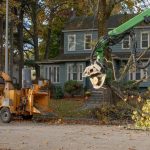
Spring is the season of fresh starts. Homeowners across Rhode Island, Massachusetts, and Connecticut begin planning patios, garden beds, lawn expansions, fences, and outdoor living spaces. But before new plants go in or hardscapes are installed, there’s one step that should never be overlooked: evaluating your existing trees.
Tree removal before landscaping is often necessary to avoid structural conflicts, root damage, and costly project delays. Mature trees can be valuable assets—but they can also interfere with grading, excavation, drainage, and design plans if not properly assessed first. Addressing tree concerns early ensures your landscaping investment is built on a stable foundation.
If you’re planning upgrades this spring, thoughtful tree planning will save time, money, and frustration down the road.
Why Tree Evaluation Should Come First
Landscaping projects often involve excavation, soil movement, heavy equipment, and structural changes. Without a clear understanding of tree placement and root systems, you risk damaging valuable trees or creating long-term problems.
Before landscaping begins, a professional evaluation helps determine:
- Which trees should remain
- Which trees pose safety risks
- Where root systems may interfere
- Whether pruning can improve space
- If removal is necessary
Skipping this step can lead to structural instability, drainage issues, and tree decline months or even years later.
Residential tree evaluations are available here:
https://www.northeasterntree.com/residential/
Common Landscaping Conflicts with Trees
Root Systems and Hardscapes
Tree roots naturally expand in search of moisture and nutrients. When patios, driveways, or walkways are installed too close to large trees, roots may:
- Lift pavers
- Crack concrete
- Shift retaining walls
- Disrupt irrigation systems
Removing or relocating problematic trees before installation prevents expensive future repairs.
Learn more about professional tree removal here:
https://www.northeasterntree.com/service/tree-removal/
Grading and Drainage Changes
Landscaping often involves altering the slope of the yard. Changing grade levels around trees can bury roots too deeply or expose them to erosion.
Improper grading can:
- Suffocate root systems
- Increase water pooling
- Destabilize mature trees
- Lead to long-term decline
Planning around existing root zones preserves tree health and prevents unintended consequences.
Construction Equipment Damage
Heavy machinery compacts soil, reducing oxygen availability for roots. Compacted soil weakens trees and makes them more vulnerable to disease and storm damage.
Professional tree care teams coordinate with landscapers to protect critical root areas during projects.
When Tree Removal Makes Sense
Not every landscaping project requires removal. However, certain situations justify removing a tree before construction begins:
- Trees growing too close to foundations
- Leaning or unstable trees
- Trees interfering with utility lines
- Diseased or declining trees
- Overcrowded plantings limiting design flexibility
Addressing removal early prevents mid-project interruptions and allows for smoother scheduling.
The Role of Pruning Before Landscaping
Sometimes removal isn’t necessary. Strategic pruning may open up space and improve light conditions without eliminating the tree entirely.
Spring pruning can:
- Improve canopy clearance
- Increase sunlight for garden beds
- Reduce branch overhang
- Strengthen structure
Professional pruning services ensure safe and effective results:
https://www.northeasterntree.com/service/tree-pruning/
Tree Relocation as an Alternative
In some cases, relocating a tree preserves its value while clearing space for construction. Younger trees are often good candidates for transplanting.
Tree moving services allow homeowners to:
- Preserve healthy specimens
- Maintain privacy screening
- Adjust landscape layout
- Support long-term design goals
Learn more about relocation options here:
https://www.northeasterntree.com/service/tree-moving-planting/
Yard Clearing for a Clean Slate
Spring landscaping sometimes requires partial yard clearing to prepare for major renovations. Clearing involves removing unwanted vegetation, stumps, and debris to create a clean working area.
Benefits of professional yard clearing include:
- Improved site access
- Faster project timelines
- Reduced safety hazards
- Better drainage planning
Stump grinding is often necessary after removal to eliminate tripping hazards and allow new installation:
https://www.northeasterntree.com/service/stump-grinding/
Protecting Trees During Landscaping
If you plan to keep mature trees as part of your design, protection measures are essential.
Steps to protect trees during construction:
- Install protective fencing around root zones
- Avoid storing materials near trunks
- Prevent heavy equipment from compacting soil
- Maintain proper irrigation
- Monitor for signs of stress
Plant health care programs can help trees recover from construction stress:
https://www.northeasterntree.com/service/plant-health-care/
Planning for Long-Term Growth
Spring landscaping is about more than immediate visual impact. Consider how trees will grow over time.
Ask yourself:
- Will roots interfere with future hardscapes?
- Will canopy growth block sunlight?
- Are selected planting areas appropriate for mature size?
- Is there adequate spacing for airflow?
Consulting with tree care professionals ensures that both your landscaping and your trees thrive together long term.
Avoiding Costly Mid-Project Delays
One of the most common issues homeowners face is discovering tree problems halfway through a project. Unexpected root interference or structural instability can pause construction and increase costs.
Scheduling tree services before landscaping avoids:
- Emergency removals
- Contractor rescheduling
- Additional excavation
- Design changes
- Structural repair
Early planning keeps projects on time and within budget.
Sustainable Tree Removal and Recycling
When removal is necessary, sustainable practices minimize environmental impact. Green waste recycling transforms removed trees into mulch, wood chips, or reusable materials.
Responsible recycling supports environmentally conscious landscaping:
https://www.northeasterntree.com/service/green-waste-recycling/
Conclusion
Preparing your yard for spring landscaping starts with thoughtful tree planning. Whether you need tree removal before landscaping, strategic pruning, stump grinding, or professional guidance, addressing tree concerns early protects your investment and prevents costly setbacks.
Before breaking ground on patios, gardens, or outdoor living spaces, schedule a consultation with North Eastern Tree: https://www.northeasterntree.com/contact-us/
Proper planning ensures your spring landscaping project begins on stable, well-prepared ground.