As winter fades and trees begin to show signs of new growth, many homeowners start thinking about yard clean-up. Branches may look uneven, some limbs appear damaged, and the temptation to start cutting is strong. While spring tree pruning can be extremely beneficial, it must be done carefully and strategically. Cutting the wrong branches—or pruning at the wrong time—can stress a tree, reduce flowering, or create long-term structural issues.
Understanding what should and shouldn’t be cut in spring helps protect tree health while improving safety and appearance. In New England, where winter weather can leave hidden damage behind, spring pruning is often the first step toward a healthy growing season. The key is knowing which trees benefit from early-season trimming and when it’s best to wait.
Why Spring Tree Pruning Matters
Spring is a transitional period for trees. They are moving out of dormancy and directing energy toward new leaves and growth. Proper pruning at this stage can:
- Remove winter-damaged limbs
- Improve air circulation
- Encourage strong structure
- Reduce risk of storm damage
- Enhance overall appearance
However, improper pruning can interrupt growth cycles or make trees vulnerable to pests and disease. That’s why timing and technique matter.
Professional pruning services ensure that cuts are made correctly and safely:
https://www.northeasterntree.com/service/tree-pruning/
What Should Be Pruned in Spring
Certain types of pruning are ideal during early spring before full leaf-out.
1. Dead or Broken Branches
Winter storms often leave behind cracked or weakened limbs. These branches should be removed promptly to prevent them from falling during spring winds.
Deadwood removal:
- Improves safety
- Prevents decay from spreading
- Allows energy to redirect to healthy growth
2. Crossing or Rubbing Branches
Branches that rub against one another create wounds that invite pests and disease. Removing one of the competing branches reduces stress and improves structural integrity.
3. Weak or Narrow Branch Unions
Limbs attached at sharp angles are more prone to splitting. Selective pruning strengthens canopy structure and reduces future breakage risk.
4. Suckers and Water Sprouts
Suckers grow at the base of the trunk, while water sprouts emerge from branches. Both drain energy from the tree and should be removed early.
5. Light Structural Shaping
For younger trees, spring is an appropriate time to guide growth patterns and establish a strong central leader.
What Should NOT Be Pruned in Spring
Not all pruning is beneficial during this season. Cutting certain trees at the wrong time can cause unnecessary stress or reduce flowering.
1. Spring-Flowering Trees (Before Blooming)
Trees like dogwood, magnolia, and cherry bloom on old wood formed the previous year. Pruning before flowering removes buds and reduces blooms.
It’s best to prune these trees immediately after they finish flowering.
2. Excessive Canopy Removal
Removing too much canopy at once can shock a tree and limit its ability to photosynthesize. Avoid cutting more than 20–25% of live branches during one season.
3. Trees Under Severe Stress
If a tree is showing signs of decline, frost damage, or disease, heavy pruning can make the problem worse. A professional evaluation is recommended before cutting.
If winter damage appears severe, an inspection may be necessary:
https://www.northeasterntree.com/residential/
4. Major Structural Pruning on Certain Species
Some trees are better pruned in late fall or winter while fully dormant. Oak trees, for example, should often be pruned carefully to prevent disease transmission.
Benefits of Proper Spring Pruning
When done correctly, spring pruning offers significant advantages.
Improved Safety
Removing weak branches reduces the risk of falling limbs during storms.
Better Airflow and Sunlight
Thinning crowded canopies allows light and air to circulate, reducing fungal risk.
Stronger Structure
Strategic cuts promote balanced growth and prevent uneven weight distribution.
Enhanced Curb Appeal
Clean, well-maintained trees improve the overall look of your property.
Signs You Should Call a Professional
While minor trimming can be manageable for small ornamental trees, larger trees require professional expertise.
Consider hiring an arborist if:
- Branches extend over your roof or driveway
- You see cracks in major limbs
- The tree is tall or near power lines
- You’re unsure what should be removed
- Winter damage appears extensive
Certified arborists use proper equipment and follow industry standards to ensure safe and effective pruning.
Learn more about the North Eastern Tree team here:
https://www.northeasterntree.com/about-us/
Spring Pruning vs. Tree Removal
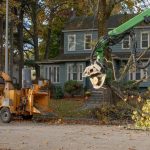
Sometimes pruning is not enough. If a tree has extensive decay, severe structural damage, or root instability, removal may be the safest option.
Warning signs that pruning may not be sufficient include:
- Hollow trunk sections
- Large vertical cracks
- Significant leaning
- Root upheaval after snow melt
In these cases, professional tree removal protects your home and property:
https://www.northeasterntree.com/service/tree-removal/
Supporting Trees After Pruning
After spring pruning, trees benefit from proper care throughout the growing season.
- Apply fresh mulch around the base (avoid piling against the trunk)
- Water deeply during dry periods
- Monitor for pests
- Schedule plant health evaluations if needed
Plant health care services support long-term growth and resilience:
https://www.northeasterntree.com/service/plant-health-care/
Avoiding Common Spring Pruning Mistakes
Homeowners often make these mistakes:
- Topping trees to reduce height
- Cutting too close to the trunk
- Leaving large stubs
- Removing too much live growth
- Pruning without assessing structure
Improper cuts can permanently damage trees. Professional pruning ensures clean cuts that heal properly and maintain structural integrity.
Conclusion
Spring tree pruning plays an important role in maintaining safety, structure, and overall tree health. Removing deadwood, correcting weak branch unions, and shaping young trees helps prepare them for the growing season ahead. However, knowing what not to cut is just as important. Avoid heavy pruning on spring-flowering trees and never remove more canopy than necessary.
If you’re unsure about the right approach, schedule a professional evaluation with North Eastern Tree: https://www.northeasterntree.com/contact-us/
Thoughtful spring pruning now ensures stronger, safer, and healthier trees all season long.